Field Leveling in Salt Lake City, UT
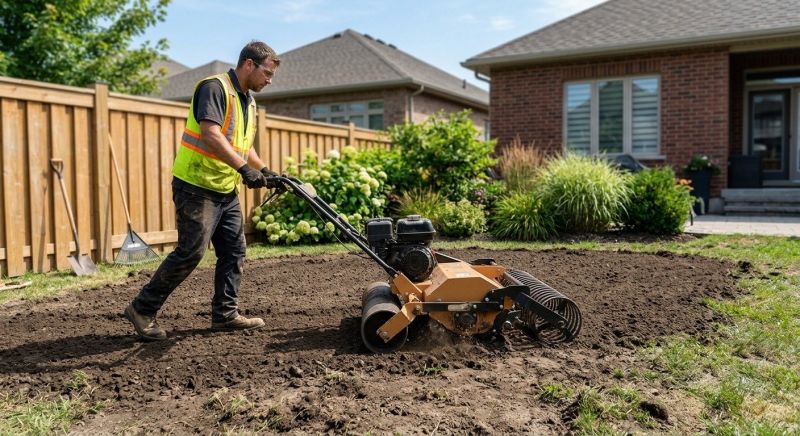
Field leveling services involve adjusting the surface of a property to create a stable, even ground. This process is commonly used for projects such as preparing yards for landscaping, installing patios or driveways, and correcting uneven or sloping terrain. Property owners often request this service to improve drainage, prevent erosion, or ensure a safe and functional outdoor space. Understanding the current condition of the land and the specific goals for the property can help determine the appropriate scope of leveling work needed.
Before requesting field leveling, property owners typically want to know about the extent of existing unevenness, the types of materials or soil conditions involved, and any potential impact on existing structures or landscaping. Clarifying these details can help ensure that the leveling process addresses the desired outcomes effectively. Proper assessment and planning are essential to achieve a level surface that enhances the property's usability and appearance.
Many property owners in Salt Lake City, UT look into Field Leveling for repairs, replacements, upgrades, and appearance-related improvements.
Ensuring Proper Drainage
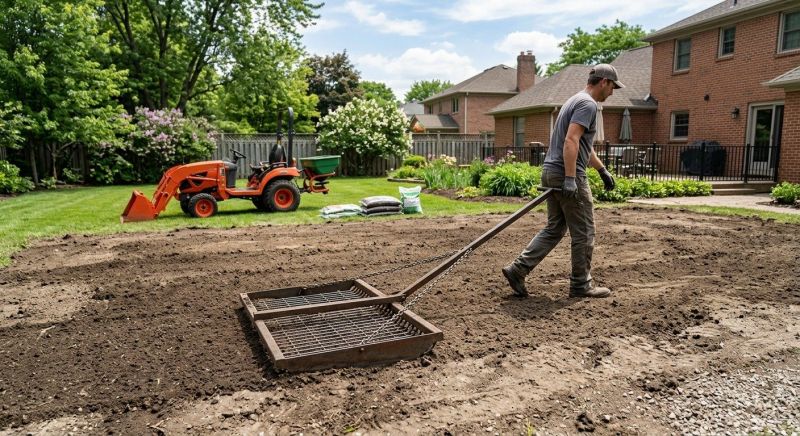
Field leveling helps prevent water pooling and directs runoff away from structures.
Preparing For Landscaping
A leveled surface provides a stable foundation for lawns, gardens, and other outdoor features.
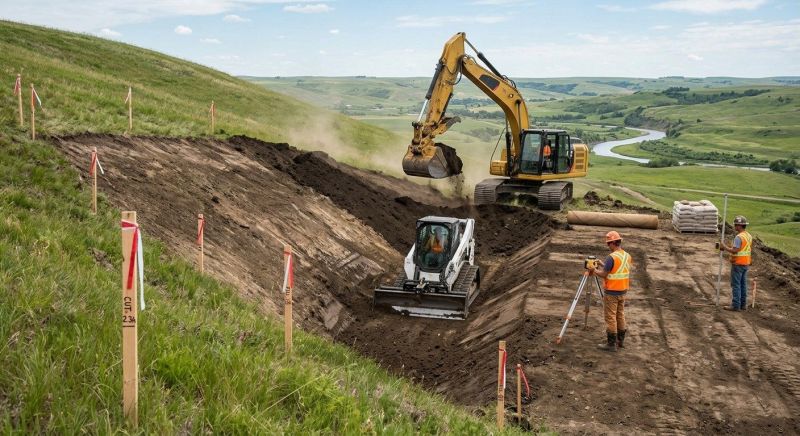
Addressing Uneven Terrain
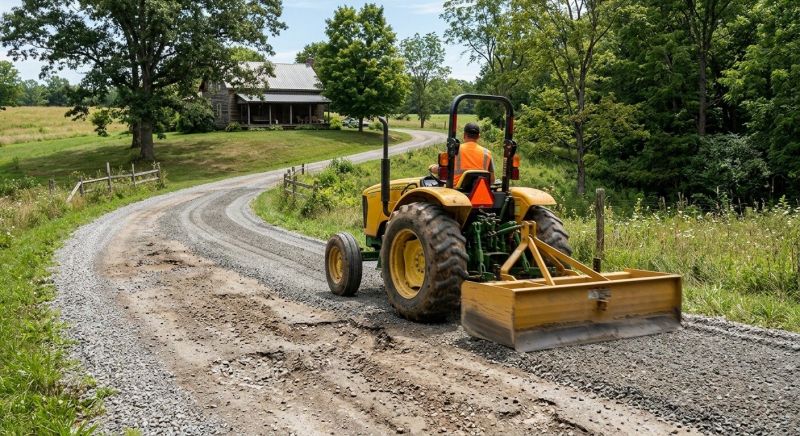
Leveling services can correct slopes and uneven areas to improve safety and accessibility on properties near salt lake city, ut.
Field Leveling in Salt Lake City, UT

Field leveling services involve adjusting the surface of a property to create a stable, even ground. This process is commonly used for projects such as preparing yards for landscaping, installing patios or driveways, and correcting uneven or sloping terrain. Property owners often request this service to improve drainage, prevent erosion, or ensure a safe and functional outdoor space. Understanding the current condition of the land and the specific goals for the property can help determine the appropriate scope of leveling work needed.
Before requesting field leveling, property owners typically want to know about the extent of existing unevenness, the types of materials or soil conditions involved, and any potential impact on existing structures or landscaping. Clarifying these details can help ensure that the leveling process addresses the desired outcomes effectively. Proper assessment and planning are essential to achieve a level surface that enhances the property's usability and appearance.
Many property owners in Salt Lake City, UT look into Field Leveling for repairs, replacements, upgrades, and appearance-related improvements.
Common Field Leveling Jobs
Residential property leveling - ensures the foundation is even to prevent future settling issues.
Commercial site leveling - prepares large areas for construction or renovation projects.
Driveway and sidewalk leveling - corrects uneven surfaces for safety and accessibility.
Landscape grading - improves drainage and prevents water pooling around structures.
Foundation correction - addresses uneven settling that can cause structural problems.
Yard and lawn leveling - creates a stable base for landscaping and planting projects.
Field Leveling Questions
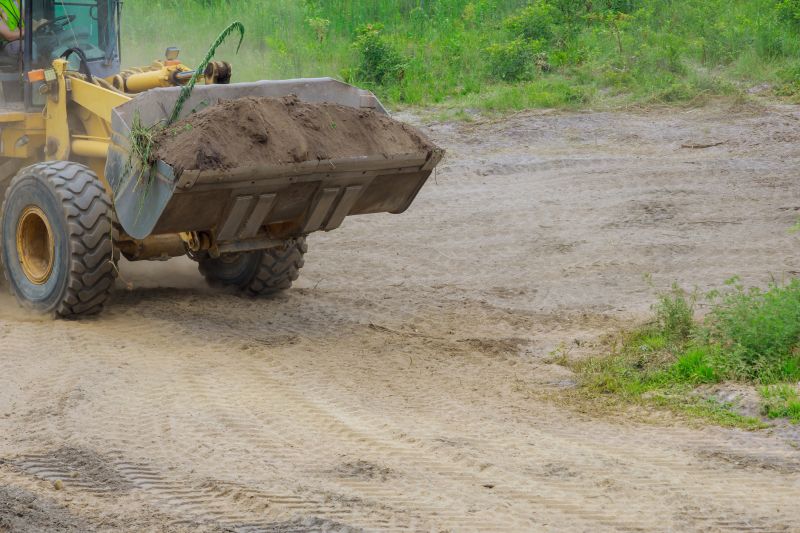
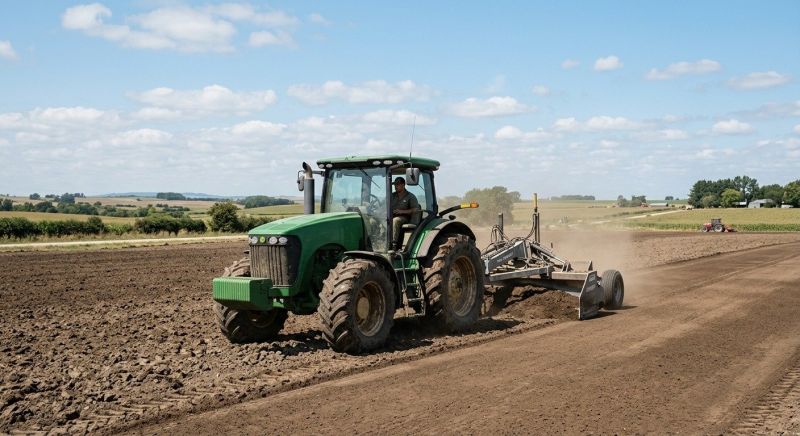
What is field leveling? Field leveling involves adjusting the ground surface to create a flat, even area suitable for construction, landscaping, or driveway installation.
When is field leveling needed? It is typically required when land has uneven terrain, slopes, or existing features that interfere with construction or landscaping plans.
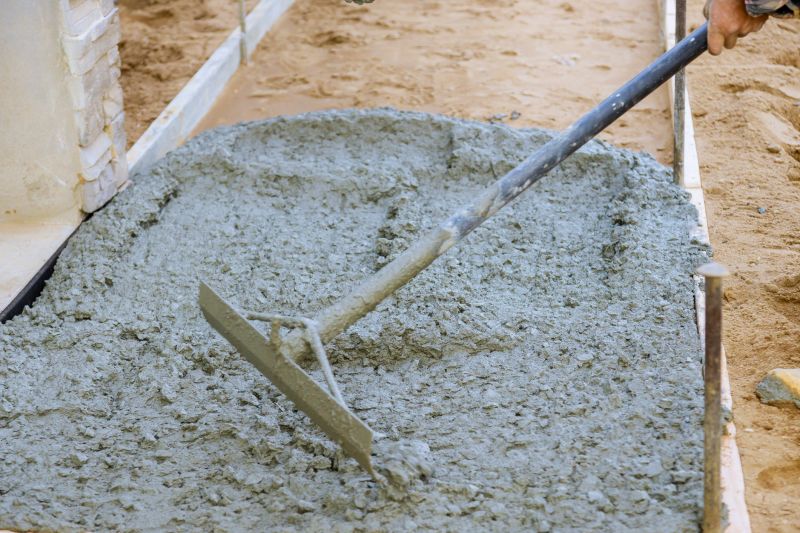
What types of projects require field leveling? Common projects include building foundations, installing driveways, creating sports fields, and preparing land for landscaping.
How does field leveling improve a property? It provides a stable, level surface that enhances safety, drainage, and the overall appearance of the property.
Request Field Leveling in Salt Lake City, UT
Use the quote form on this page to share the basics of your project and request more information for the type of work you need.